


Travel Planner France
4 August 2026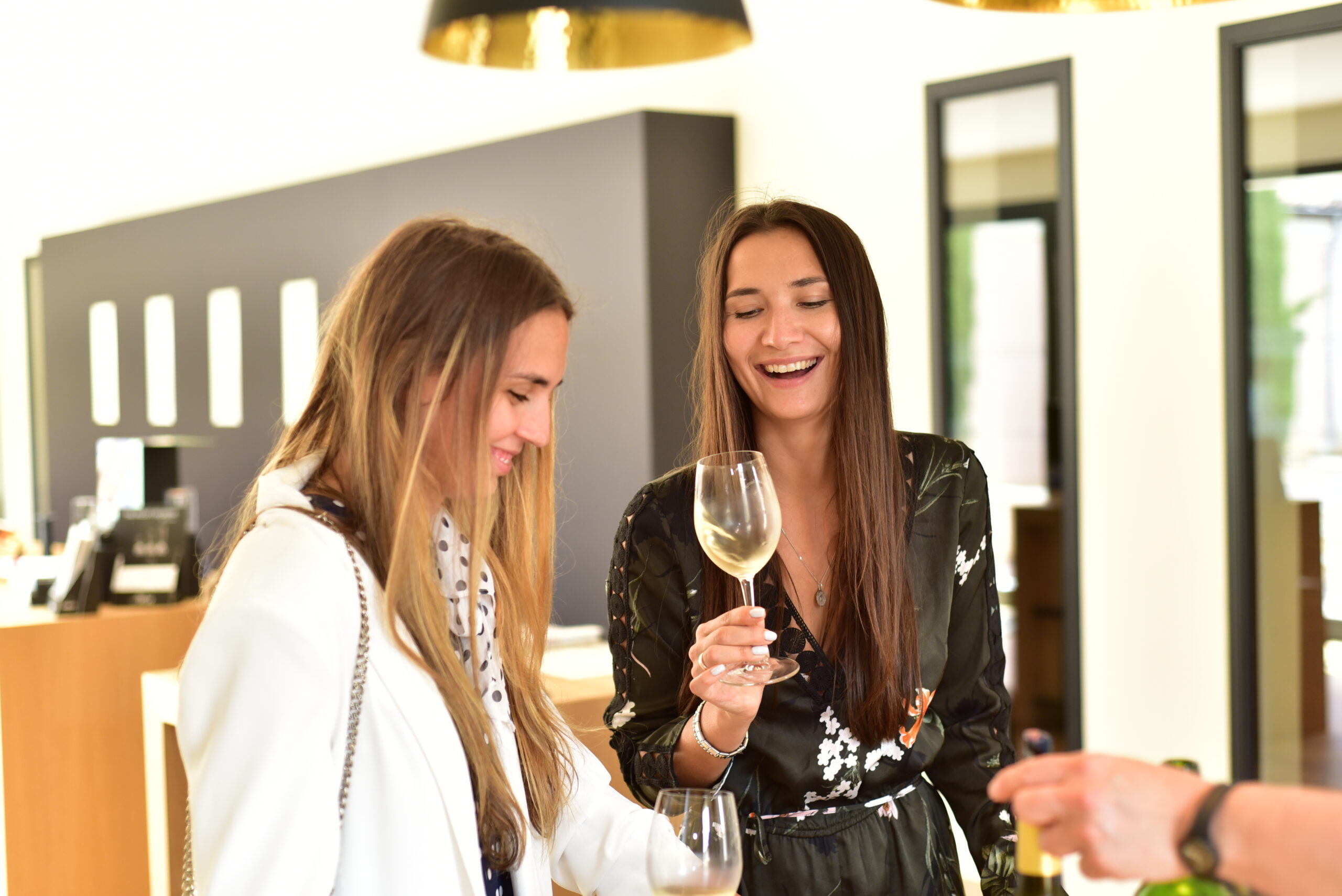
If Bordeaux has been on your wine travel wish list for years, your first trip can feel surprisingly difficult to plan.
The names are legendary — Saint-Émilion, Margaux, Pauillac, Pomerol, Sauternes — but understanding where to go, which wineries to visit, how appointments work, and how many days you actually need is another matter entirely.
Bordeaux is not a single wine destination. It is an immense vineyard divided into distinct regions and appellations, each with its own landscapes, grape varieties, history and style of wine.
And unlike many wine regions where you can simply drive from winery to winery and walk into tasting rooms, Bordeaux usually requires some advance planning.
This guide explains everything a first-time visitor needs to know before exploring Bordeaux wine country — from choosing between Saint-Émilion and the Médoc to visiting classified growths, planning winery appointments and deciding how long to stay.
Why Bordeaux Is One of the World’s Great Wine Destinations
For centuries, Bordeaux has been one of the most influential wine regions in the world.
Its vineyards surround the city along the Garonne and Dordogne rivers, which meet to form the Gironde estuary. These waterways help divide Bordeaux into the famous Left Bank and Right Bank.
The region includes thousands of wine estates and dozens of appellations producing everything from powerful Cabernet Sauvignon-based reds to elegant Merlot-dominated wines, dry whites and the extraordinary sweet wines of Sauternes.
But what makes Bordeaux particularly fascinating is the combination of wine, history and place.
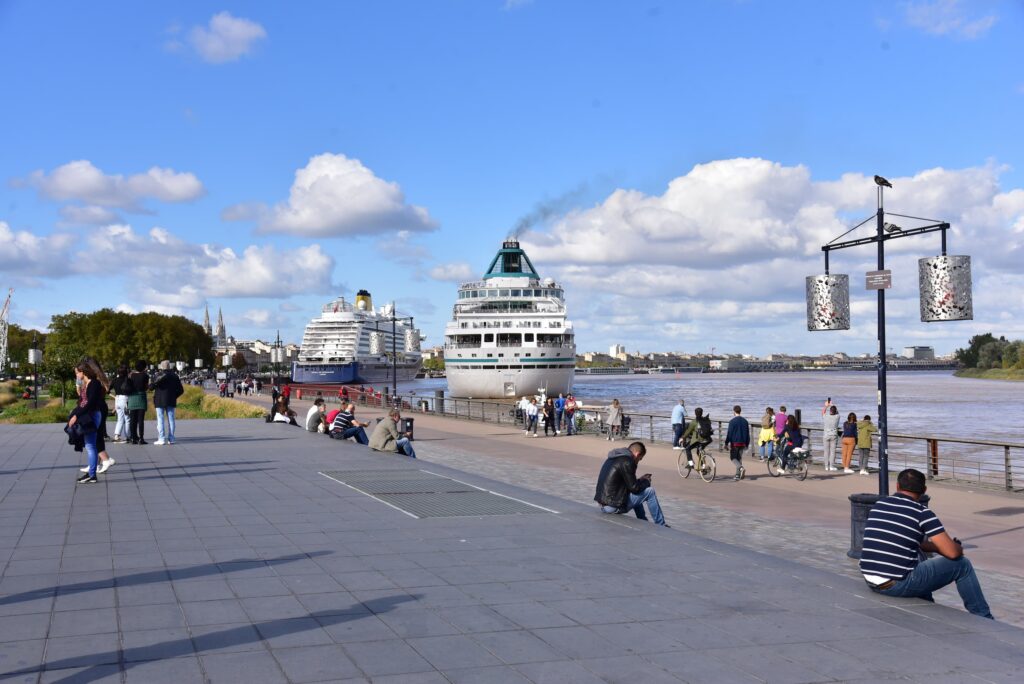
You may spend the morning inside the cellars of a prestigious Grand Cru Classé, have lunch overlooking the vineyards, walk through a medieval village in the afternoon and taste wine with the owner of a tiny family estate before returning to Bordeaux for dinner.
For wine lovers, few destinations offer such variety within such a relatively compact area.
Understanding Bordeaux: Left Bank vs. Right Bank
One of the first things to understand before planning a Bordeaux wine trip is the difference between the Left Bank and the Right Bank.
The Left Bank
The Left Bank includes the Médoc, north of Bordeaux, and Graves and Pessac-Léognan, south of the city.
Cabernet Sauvignon generally plays the leading role here, particularly in the Médoc.
The Médoc includes some of the most famous appellations in the world:
- Margaux
- Saint-Julien
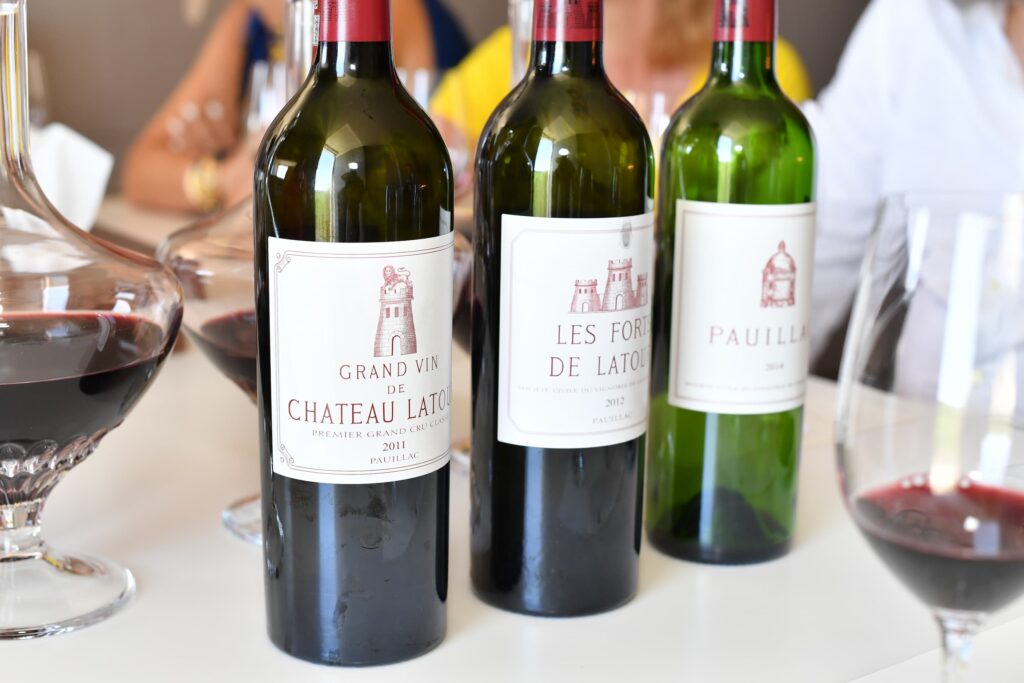
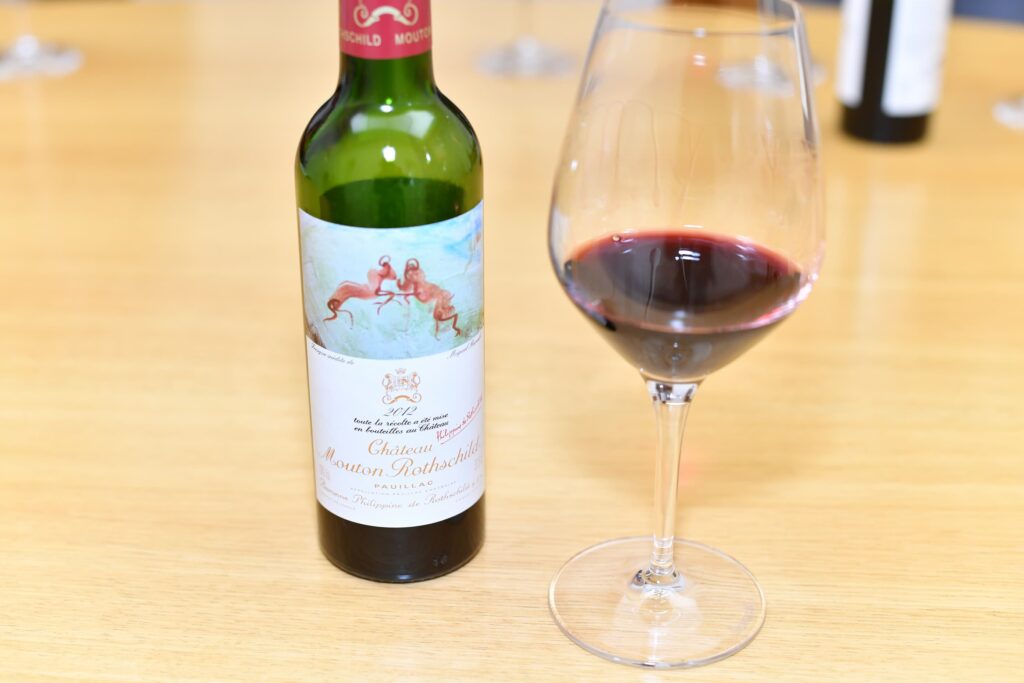
- Pauillac
- Saint-Estèphe
This is where you will find many legendary estates from the 1855 Classification, including names that have shaped the history of fine wine for generations.
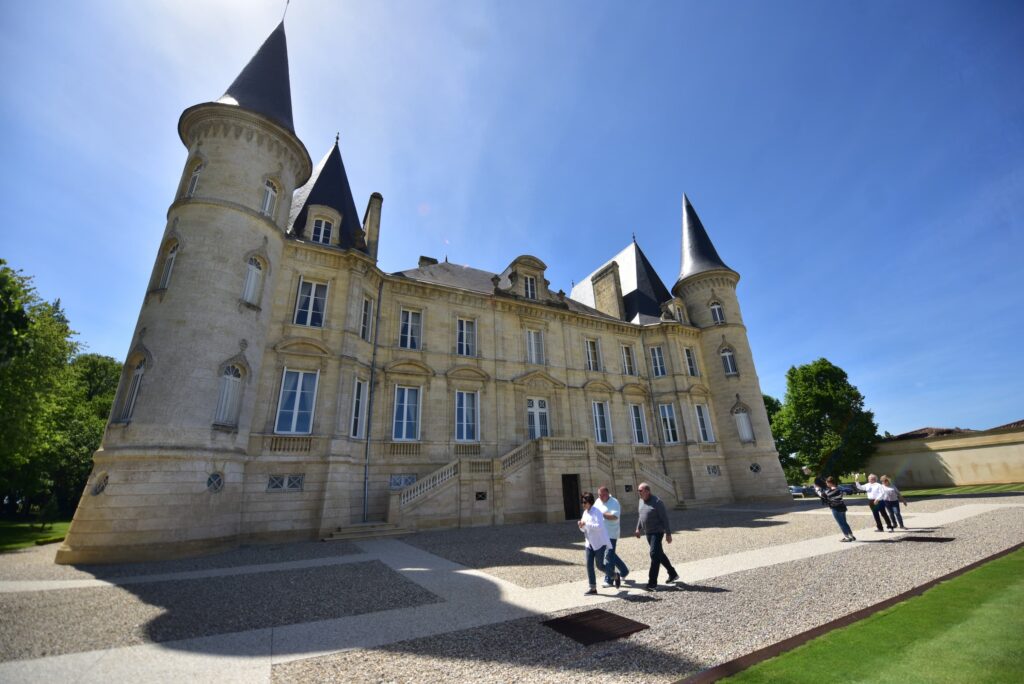
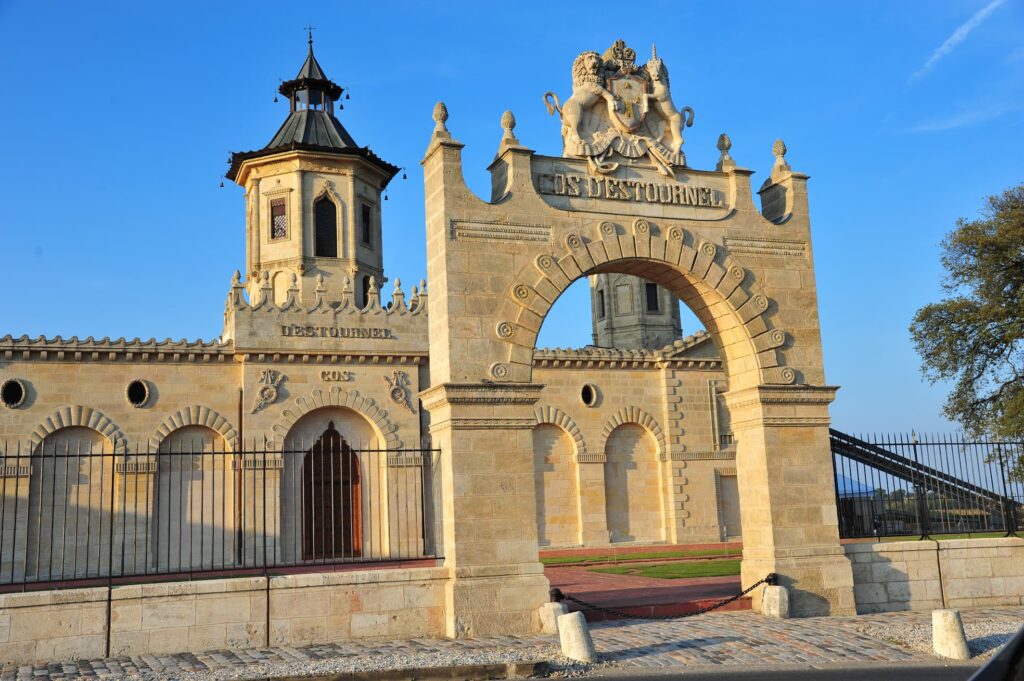
The landscape is relatively flat, with magnificent château architecture appearing among vineyards, forests and small villages along the famous Route des Châteaux.
The Right Bank
Across the rivers, the Right Bank is home to Saint-Émilion and Pomerol.
Here, Merlot generally dominates, often accompanied by Cabernet Franc.
The landscape is different from the Médoc: more rolling hills, smaller properties and an extraordinary concentration of vineyards around the medieval village of Saint-Émilion.
For first-time visitors, Saint-Émilion is especially appealing because it combines exceptional wines with one of the most beautiful historic wine villages in France.
Saint-Émilion or Médoc: Which Should You Visit First?
This is probably the question we hear most often from travelers planning their first Bordeaux wine trip.
The answer depends on what you love.
Choose Saint-Émilion if you want wine, history and atmosphere
Saint-Émilion is an excellent introduction to Bordeaux.
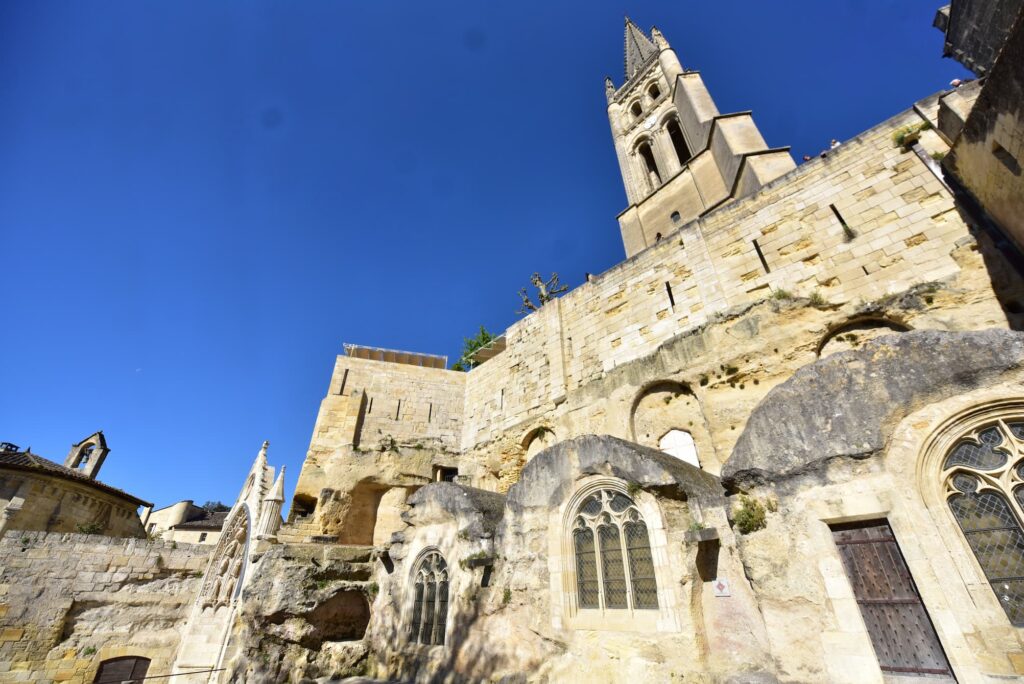
Its vineyards surround a remarkably preserved medieval town whose cultural landscape is recognized as a UNESCO World Heritage Site.
Beyond the wine estates, you can explore cobbled streets, historic buildings and extraordinary underground monuments carved into the limestone, including the famous Monolithic Church.
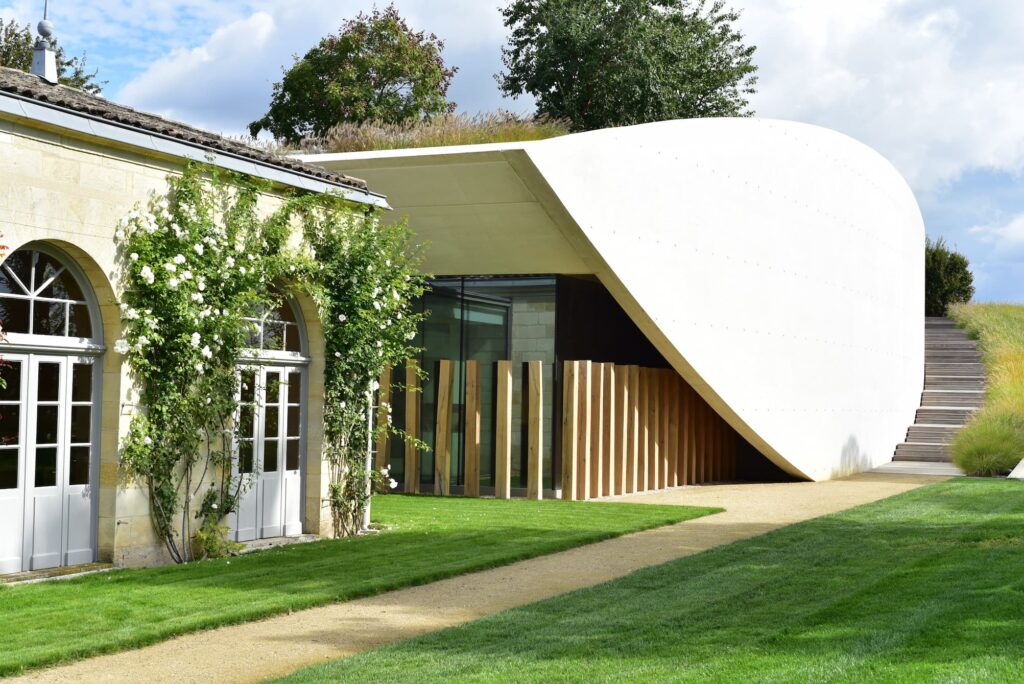
The vineyards are equally fascinating, ranging from internationally renowned classified estates to tiny family-owned properties producing only limited quantities of wine.
Saint-Émilion is particularly suited to travelers who want their wine experience to include history, architecture and village life.
Choose the Médoc if great Cabernet is your passion
If names such as Margaux, Pauillac and Saint-Julien immediately make your heart beat faster, head to the Médoc.
The famous Route des Châteaux passes some of the most celebrated wine estates in the world.
The Médoc experience is less about exploring villages and more about understanding terroir, classifications, Cabernet Sauvignon and the extraordinary history of Bordeaux’s great estates.
For serious collectors and lovers of classic Bordeaux, it is essential.
Ideally, visit both
If your schedule allows it, don’t choose.
Spend one full day in Saint-Émilion and another in the Médoc.
They reveal two very different sides of Bordeaux and provide a much better understanding of the region.
What About Pomerol?
Pomerol is one of Bordeaux’s smallest and most prestigious appellations.
Unlike Saint-Émilion or the Médoc, there is no grand wine village or spectacular Route des Châteaux. Many estates are discreet, sometimes surprisingly modest in appearance.
The magic is in the vineyards and the wines.
Pomerol is home to some of the world’s most sought-after Merlot-based wines, produced from a remarkably small area.
For serious wine enthusiasts, combining Pomerol and Saint-Émilion can make an exceptional day.
However, appointments at prestigious estates can be difficult to obtain, so advance planning is particularly important.
Don’t Overlook Pessac-Léognan and Graves
Visitors sometimes focus so heavily on Saint-Émilion and the Médoc that they forget one of Bordeaux’s most historic wine areas.
The vineyards of Pessac-Léognan and Graves begin just outside Bordeaux.
This region is particularly interesting because its leading estates produce not only superb red wines but also some of Bordeaux’s greatest dry white wines.
It is also an excellent option if you have limited time in Bordeaux, as several prestigious properties are much closer to the city than the vineyards of Saint-Émilion or northern Médoc.
And Then There Is Sauternes
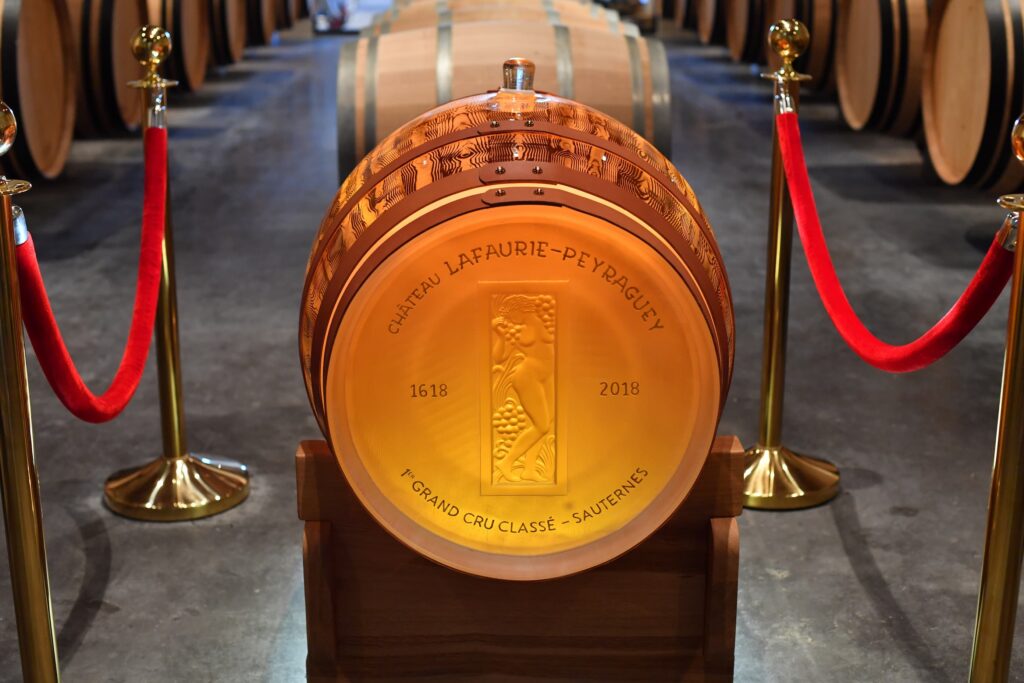
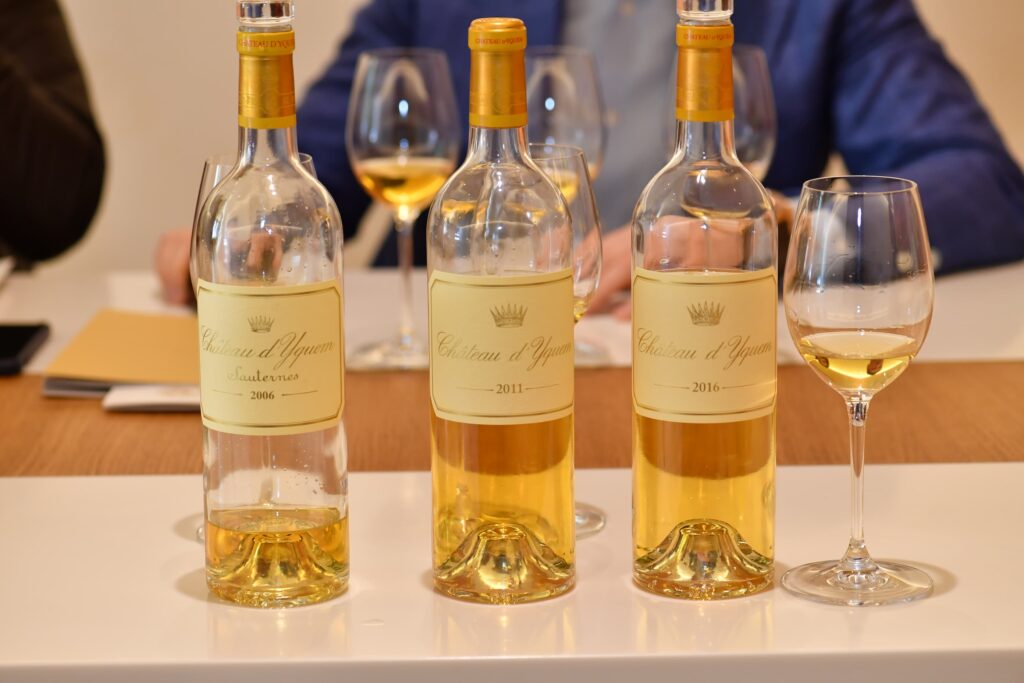
Sauternes offers another completely different side of Bordeaux.
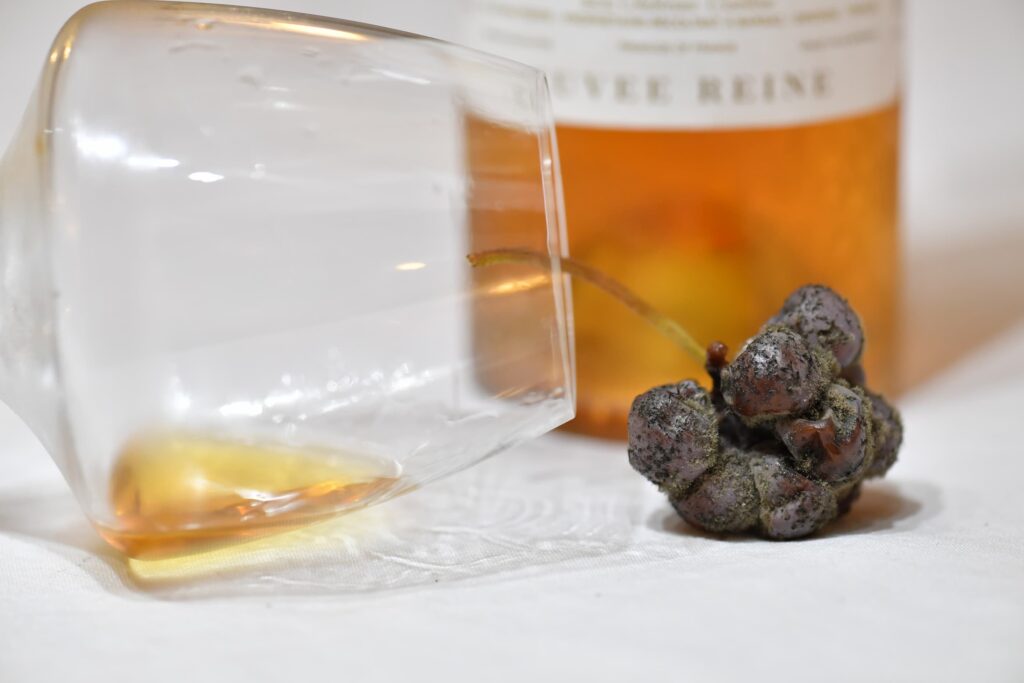
Here, the combination of Sémillon and Sauvignon Blanc grapes, autumn humidity and the development of Botrytis cinerea — noble rot — creates some of the world’s greatest sweet wines.
Visiting Sauternes is particularly fascinating because the winemaking process is so unusual. Harvesting may require several passages through the same vineyard, with individual grapes selected only when they have reached the desired stage of botrytis.
Even travelers who rarely drink sweet wine are often surprised by the freshness, complexity and longevity of great Sauternes.
A visit can easily be combined with the Graves or Pessac-Léognan.
Do You Need Appointments to Visit Bordeaux Wineries?
Yes — and this is one of the biggest differences between Bordeaux and many American wine regions.
Most Bordeaux wine estates are private working properties rather than open tasting rooms.
Visits are generally by appointment.
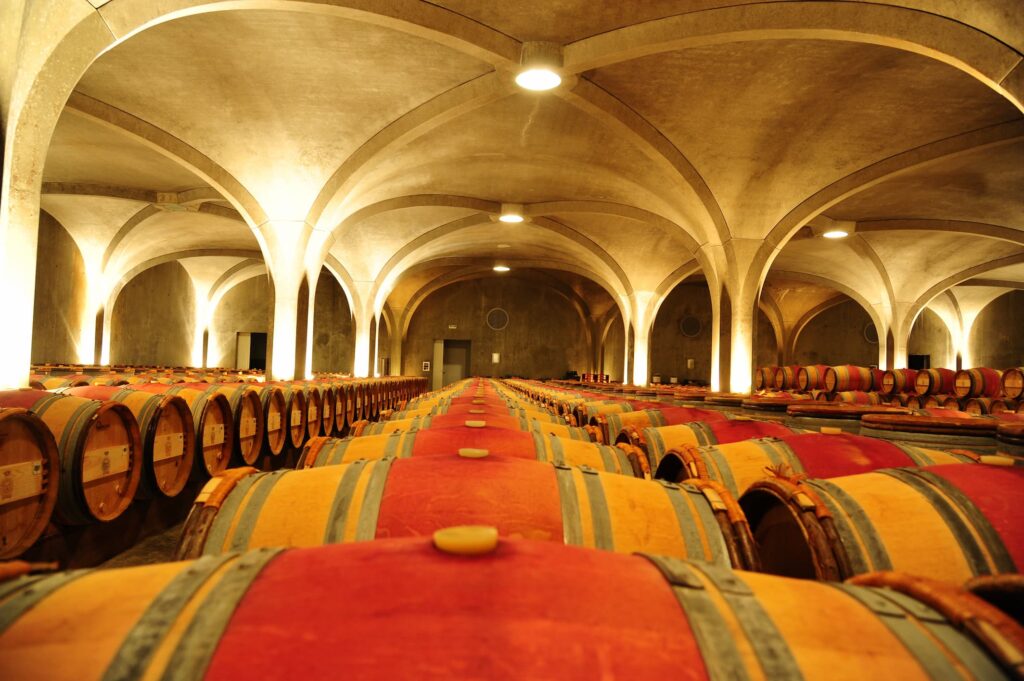
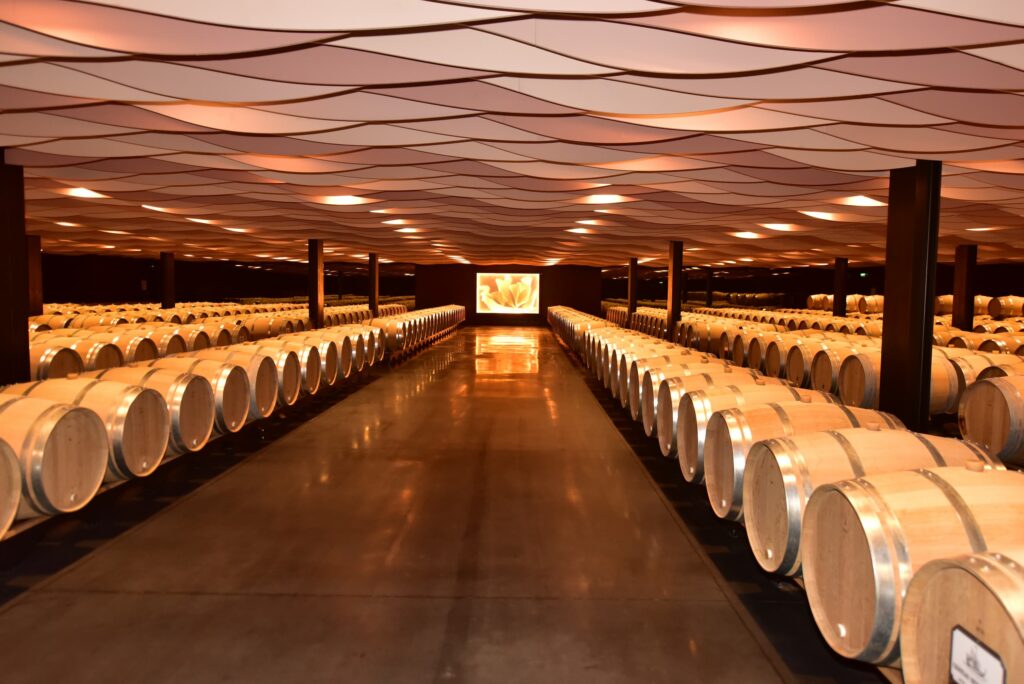
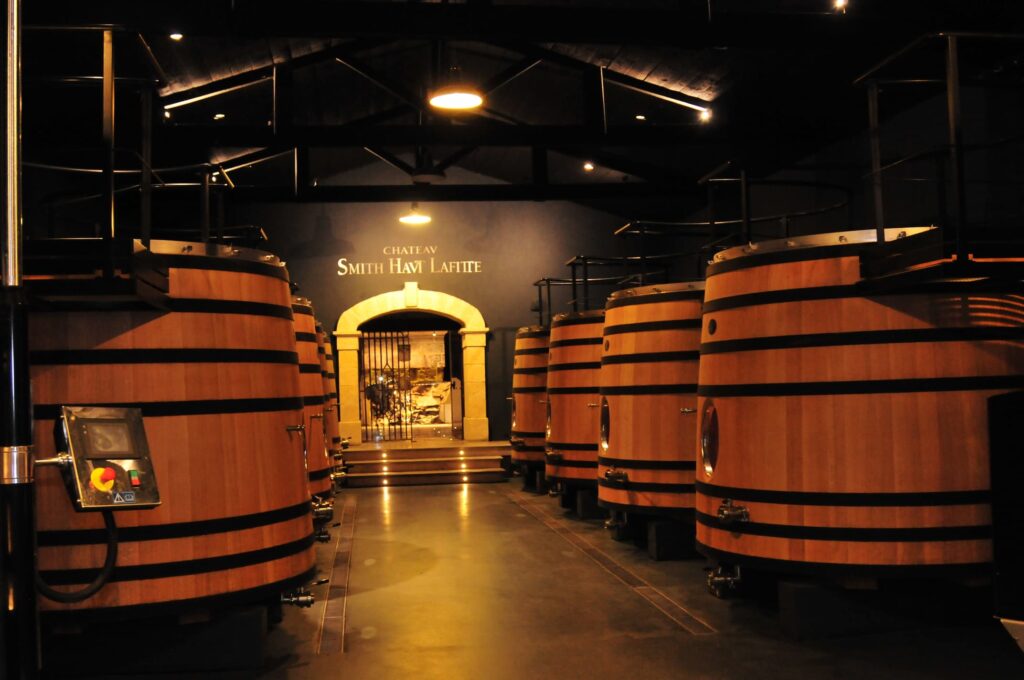
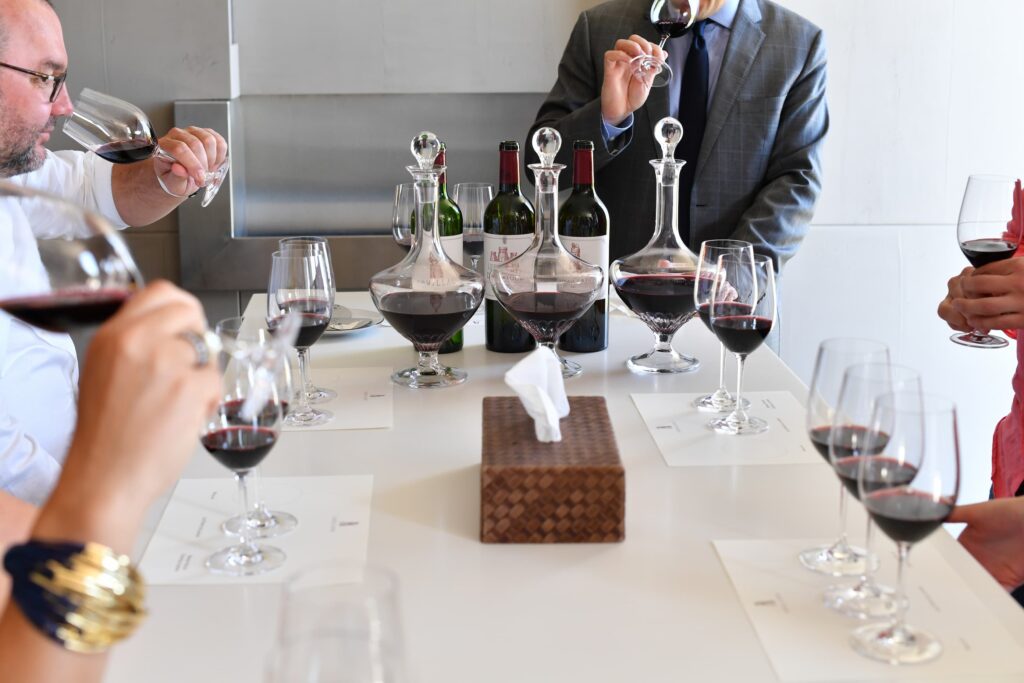
At many estates, your visit is a structured experience that may include the vineyards, vat room, barrel cellar, an explanation of the terroir and winemaking process, followed by a tasting.
Some prestigious châteaux receive only a limited number of visitors each day.
During the busiest months, desirable appointments can fill up weeks or even months ahead.
If there are particular estates you dream of visiting, don’t wait until you arrive in Bordeaux to organize your schedule.
Can You Visit the Famous Bordeaux Châteaux?
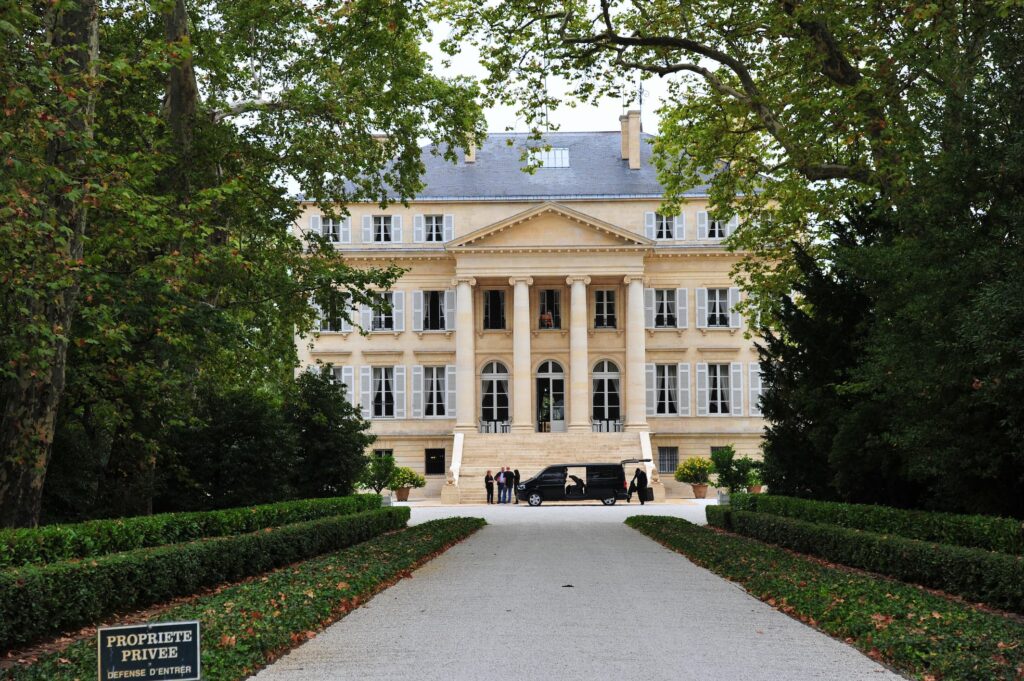
Yes, many prestigious estates welcome visitors, but access varies considerably.
Some classified growths have well-developed wine tourism programs, while others receive relatively few visitors or prioritize wine professionals, collectors and existing clients.
Availability can also change according to the season, harvest, vineyard work and events at the property.
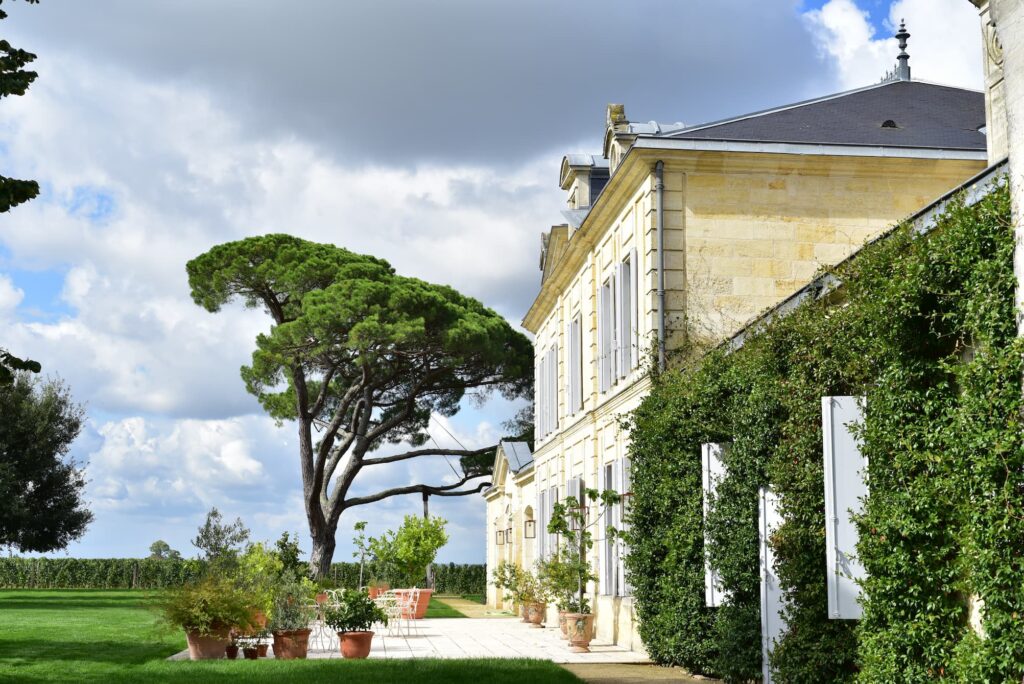
This is why we recommend planning a Bordeaux wine itinerary around quality of experience rather than famous labels alone.
A celebrated château can be fascinating, but one of the most memorable experiences of your trip may be an intimate tasting with a winemaker at a small estate you had never heard of before arriving in Bordeaux.
The best itineraries often combine both.
How Many Wineries Should You Visit in One Day?
For most travelers, two or three wineries per day is ideal.
It can be tempting to squeeze four or five tastings into a single day, particularly if you have traveled a long way to Bordeaux.
We don’t recommend it.
A proper Bordeaux château visit often lasts between 60 and 90 minutes. Add driving time, lunch and the opportunity to actually enjoy the landscape, and an overloaded itinerary quickly becomes exhausting.
Wine travel should not feel like a race.
Two or three thoughtfully selected estates provide enough contrast to understand different terroirs, winemaking philosophies and styles without spending the entire day looking at your watch.
How Many Days Do You Need in Bordeaux Wine Country?
For a first visit, we recommend at least three days in Bordeaux if wine is one of the main reasons for your trip.
A very good first itinerary might look like this:
Day 1 — Bordeaux
Discover the historic city, its architecture, gastronomy and wine culture.
Day 2 — Saint-Émilion & Pomerol
Explore the medieval village, visit the underground monuments and discover both prestigious and smaller wine estates.
Day 3 — Médoc
Travel along the Route des Châteaux through Margaux, Saint-Julien and Pauillac, visiting classified growths and learning about the 1855 Classification.
If you have a fourth day, consider Pessac-Léognan and Sauternes.
With five days or more, you can slow down, explore more deeply and include experiences such as Arcachon Bay, Cognac or other parts of Southwest France.
Where Should You Stay: Bordeaux or the Vineyards?
For most first-time visitors, Bordeaux city is the most convenient base.
You have a much wider choice of hotels and restaurants, and you can enjoy the city in the evenings while making day trips into the vineyards.
Staying in Saint-Émilion, however, can be magical if you want a quieter wine-country experience.
Once the daytime visitors leave, the village becomes much calmer and you can enjoy the atmosphere of the vineyards in the early morning and evening.
Many travelers combine the two: several nights in Bordeaux followed by one or two nights in wine country.
Do You Need a Car in Bordeaux Wine Country?
If you plan to explore the vineyards independently, a car is extremely useful.
The wine estates are scattered throughout the countryside, and public transportation is not designed around château appointments.
However, driving creates one obvious problem: wine tasting.
French drink-driving laws are strict, and tastings can add up surprisingly quickly during a full day.
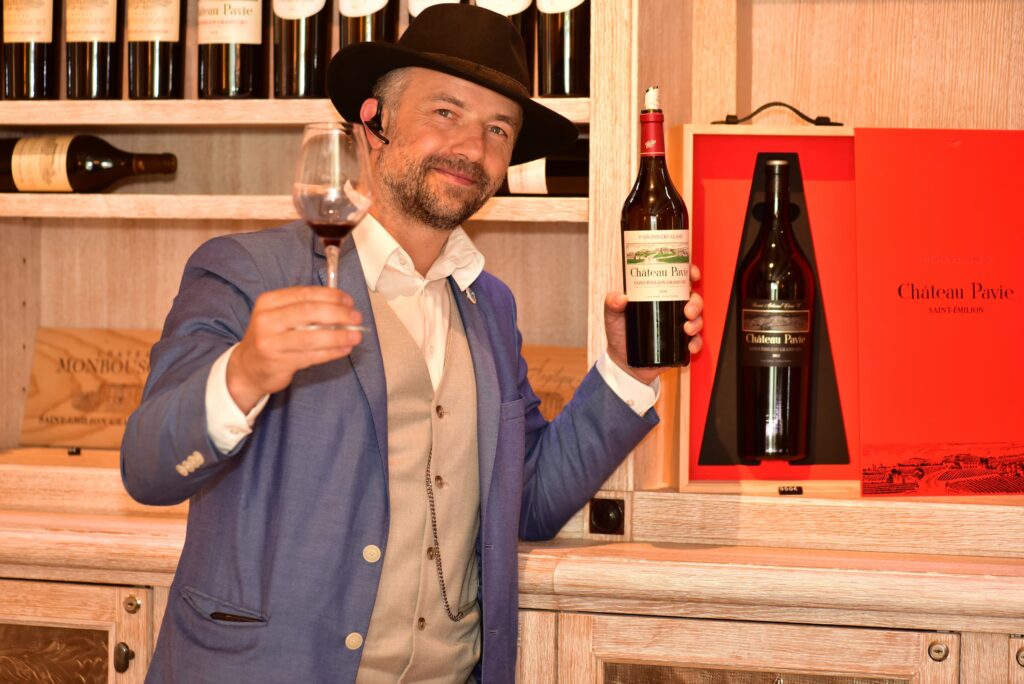
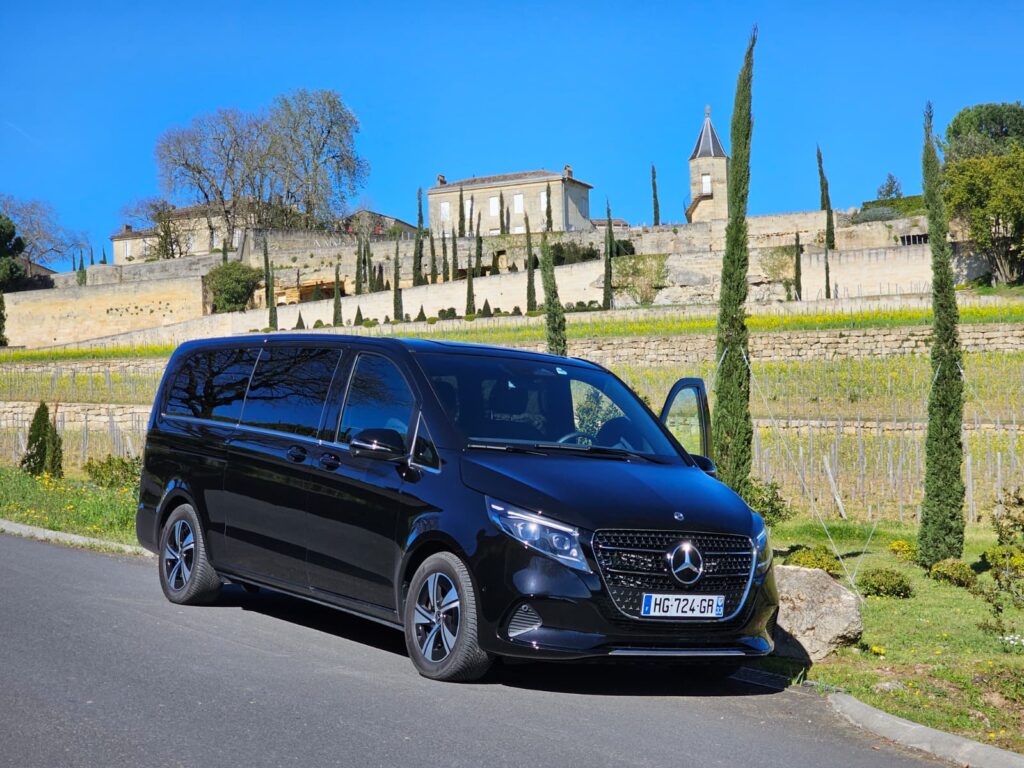
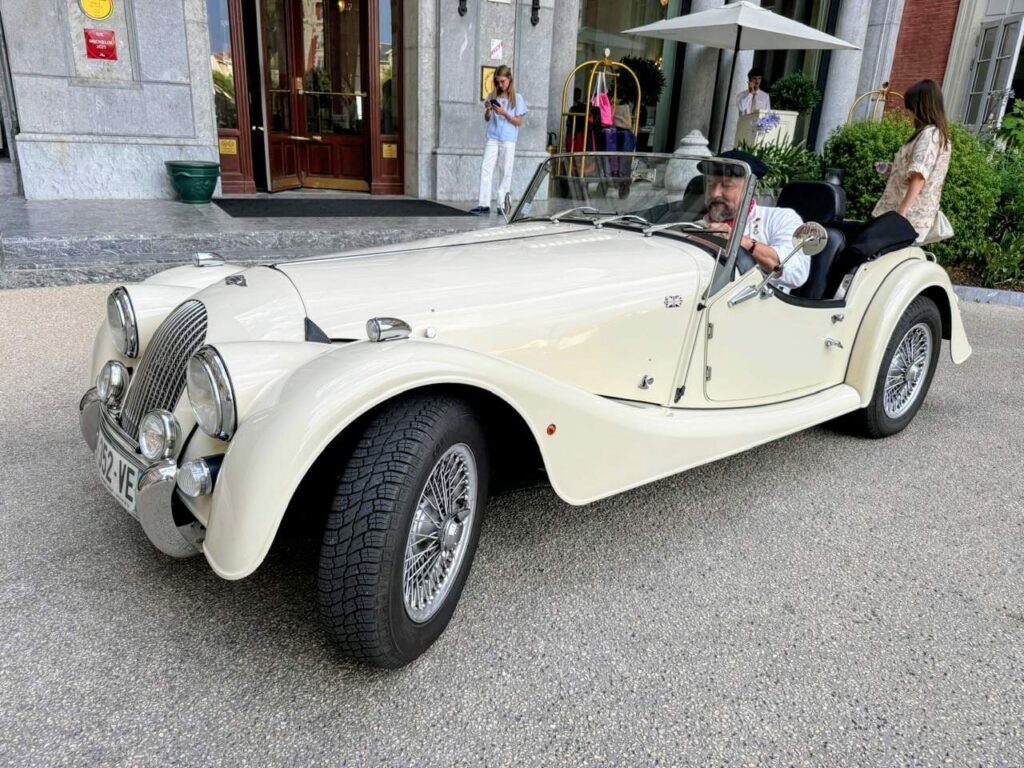
For that reason, many visitors choose a private driver-guide for their wine days.
Beyond transportation, a knowledgeable local guide can explain the vineyards as you travel, coordinate appointments, adjust the itinerary if necessary and provide context that would otherwise be difficult to acquire during a short visit.

When Is the Best Time to Visit Bordeaux?
Bordeaux can be visited throughout the year, but each season offers a different experience.
Spring: April to June
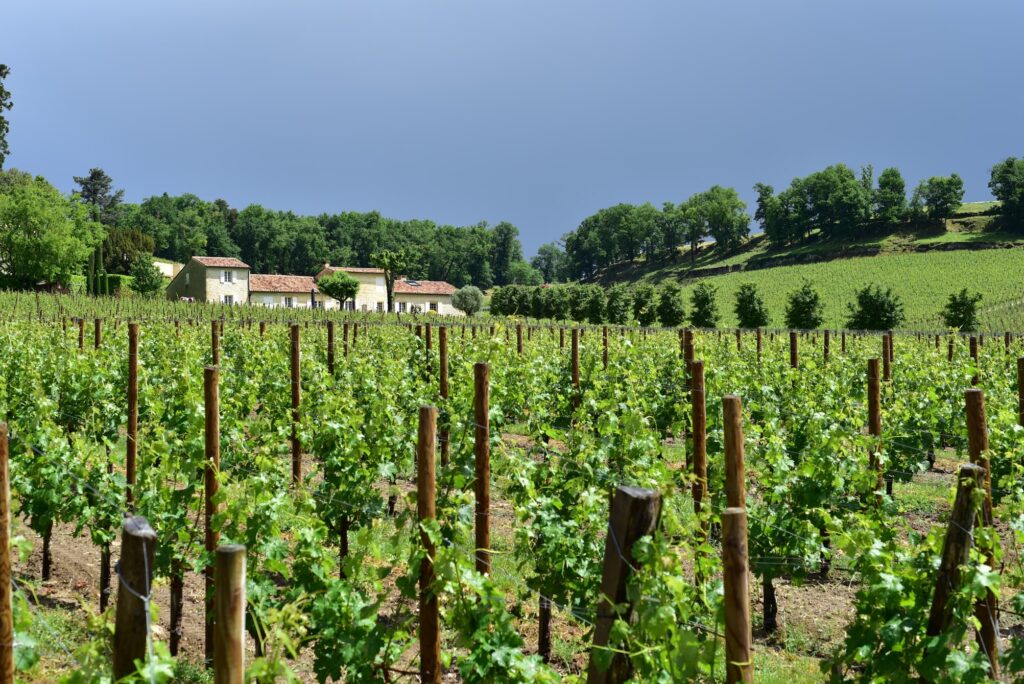
The vineyards turn green, temperatures are generally pleasant and the region begins to come alive after winter.
May and June are particularly attractive months for wine touring.
Summer: July and August
Expect long days, warm weather and more visitors.
It is a beautiful time to explore Bordeaux, but booking winery appointments, hotels and restaurants in advance is highly recommended.
Harvest: September and October
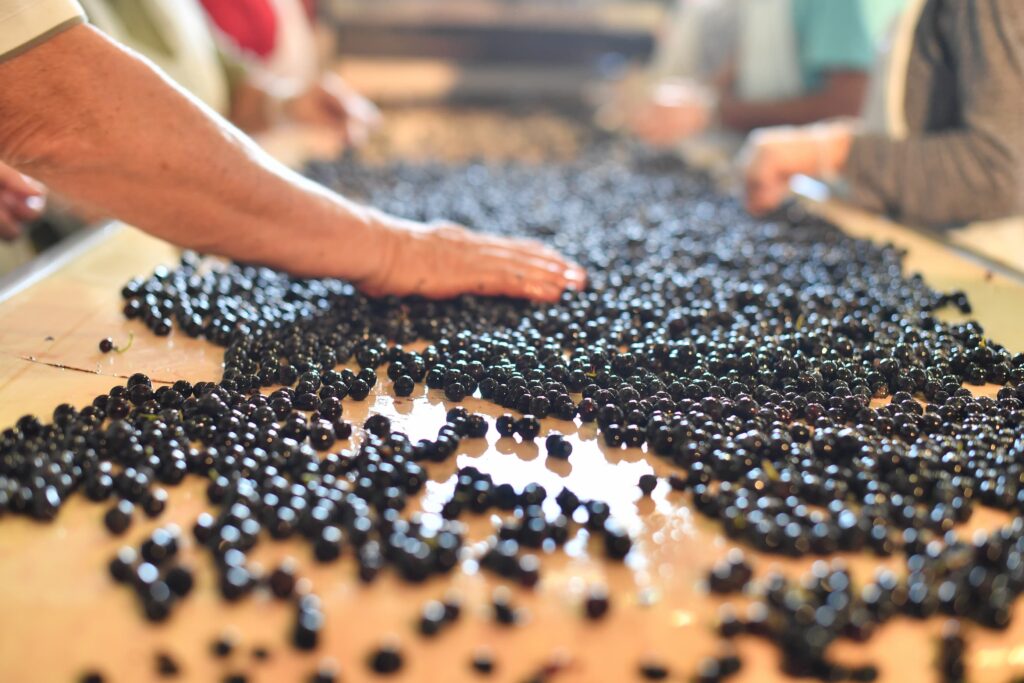
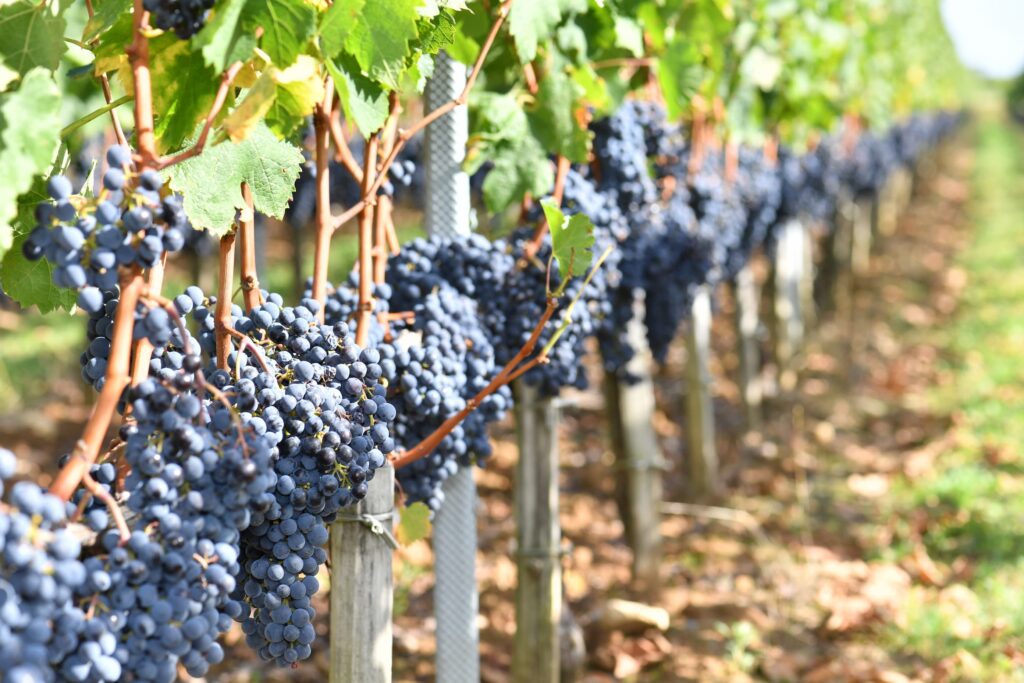
For wine lovers, harvest season can be fascinating.
The vineyards are full of activity and there is a special energy throughout the region.
However, harvest is also one of the busiest times of the year for wineries. Some estates reduce or suspend visits while their teams concentrate on bringing in the grapes.
Winter: November to March
Bordeaux is quieter and more intimate.
Some properties close for periods during winter, but those that remain open can offer particularly relaxed experiences.
For serious wine enthusiasts who prefer fewer crowds, winter should not automatically be dismissed.
What Should You Wear to Visit Bordeaux Wineries?
Bordeaux château visits are generally elegant but relaxed.
There is no need to dress formally.
Smart casual clothing works perfectly in most situations.
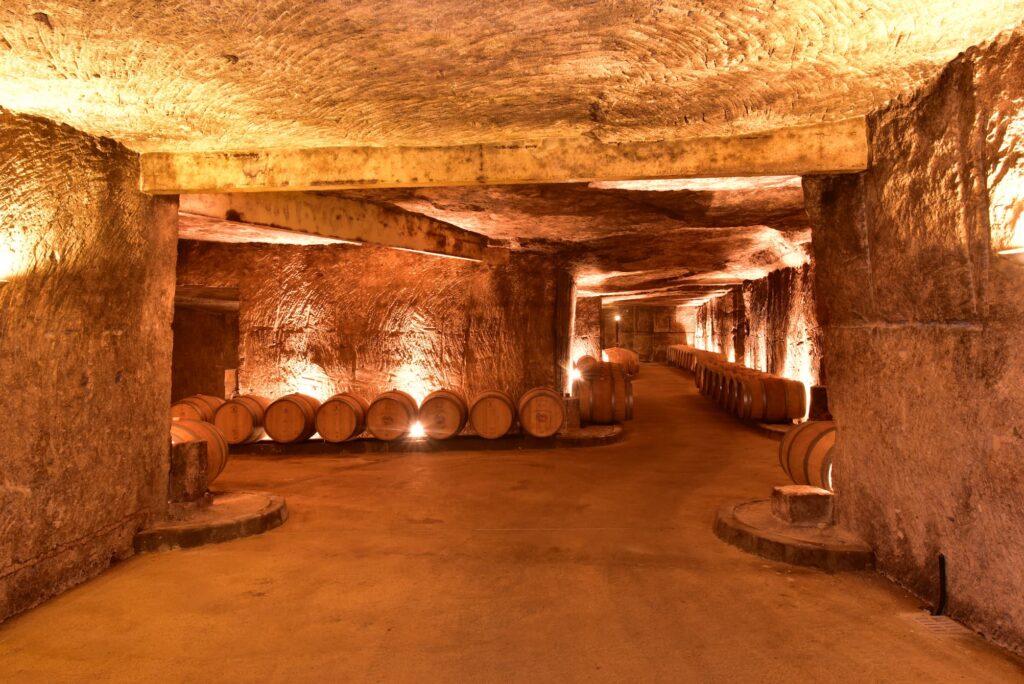
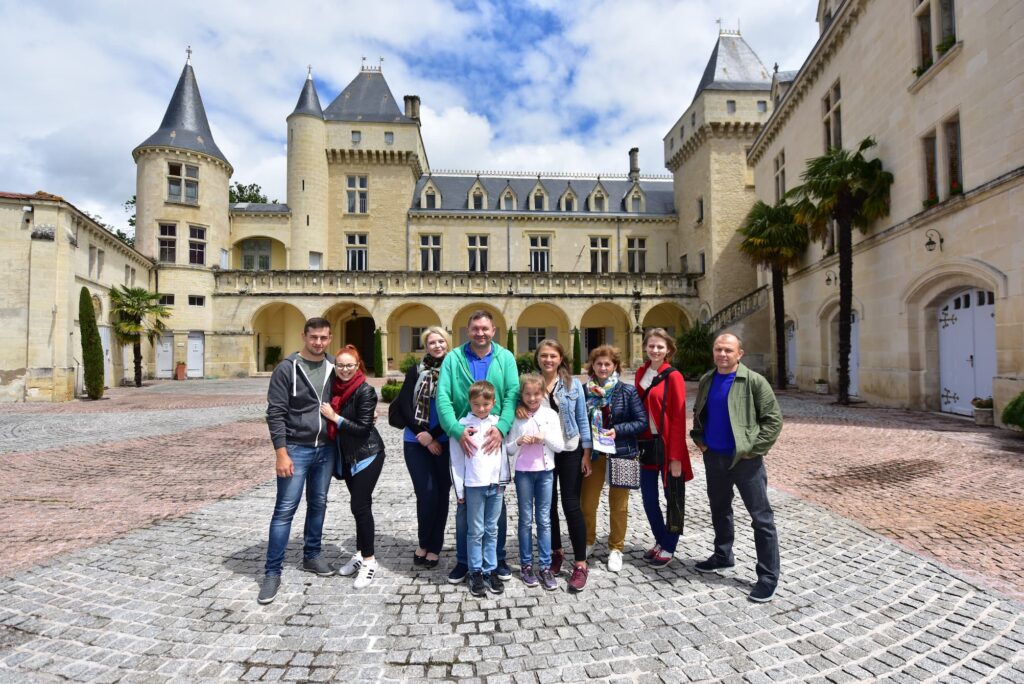
Comfortable shoes are important because visits can involve gravel courtyards, vineyards, uneven cellar floors and medieval streets — particularly in Saint-Émilion.
Cellars can also be cool even during summer, so bringing a light layer is useful.
And if your itinerary includes a prestigious lunch or private appointment, slightly more polished clothing is always appropriate.
Do You Need to Know a Lot About Wine?
Absolutely not.
One of the pleasures of visiting Bordeaux is learning.
A good château visit should be enjoyable whether you are discovering Cabernet Sauvignon for the first time or have been collecting Bordeaux for thirty years.
Don’t hesitate to ask questions.
Why does Merlot dominate here? Why is Cabernet Sauvignon better suited to another vineyard? What exactly does Grand Cru Classé mean? Why does one château harvest earlier than its neighbor?
Understanding these details while standing in the vineyard makes Bordeaux infinitely more interesting.
For experienced wine collectors, visits can naturally become more technical, focusing on soils, vineyard management, vintages, blending, élevage and the evolution of wines in bottle.
Understanding Bordeaux Classifications
This is where Bordeaux can become confusing.
There is not one single classification system for the entire region.
The Médoc is famous for the 1855 Classification, which ranked estates from First to Fifth Growth.
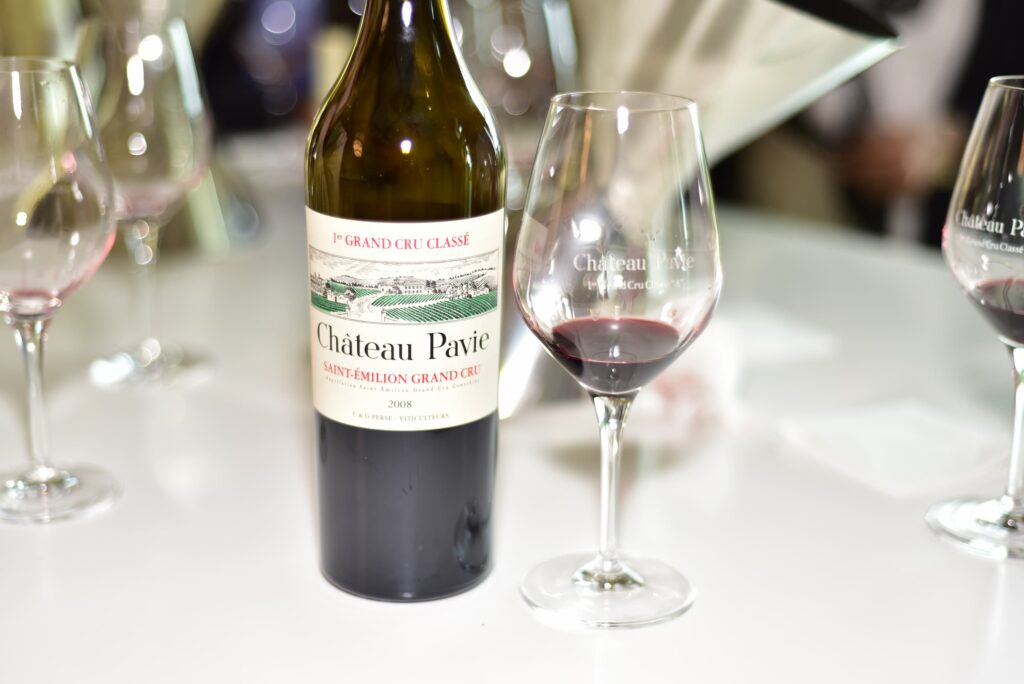
Saint-Émilion has its own classification system.
Graves has another.
Pomerol has no official classification at all, despite producing some of the world’s most prestigious and expensive wines.
So don’t judge the quality or interest of an estate solely by the words appearing on its label.
Understanding Bordeaux requires looking at the appellation, terroir, producer, vintage and history — not simply a ranking.
What Should You Taste Besides Red Bordeaux?
Red wine may dominate Bordeaux’s international reputation, but stopping there would be a mistake.
During your trip, look for:
Dry white Bordeaux from Pessac-Léognan and Graves, often based on Sauvignon Blanc and Sémillon.
Sauternes and Barsac, among the world’s great sweet wines.
Crémant de Bordeaux, the region’s traditional-method sparkling wine.
And don’t forget that Bordeaux is also a gastronomic destination.
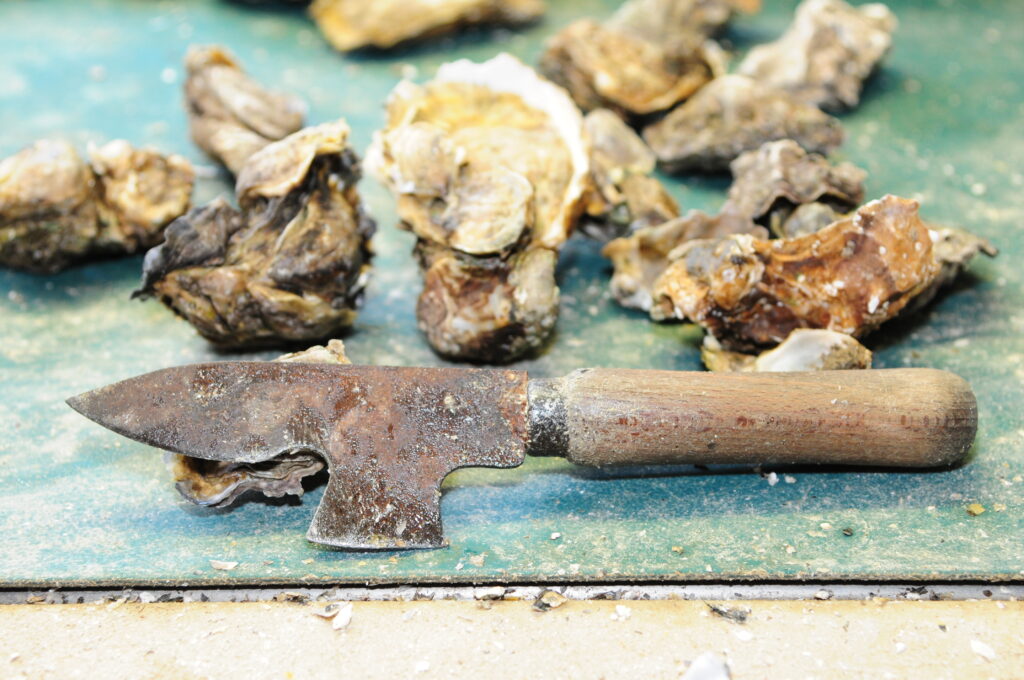
Local oysters from Arcachon Bay, entrecôte cooked over vine shoots, lamprey when in season, foie gras from Southwest France and regional cheeses can all add another dimension to your wine experience.
Bordeaux Wine Etiquette: A Few Things First-Time Visitors Should Know
You don’t need to be intimidated by prestigious château gates.
Bordeaux has become much more welcoming to wine travelers over the past two decades.
A few simple habits, however, make visits more enjoyable.
Arrive on time. Château visits operate according to scheduled appointments, and arriving 20 minutes late can disrupt the property’s entire program.
Avoid wearing strong perfume or cologne during tastings.
Feel free to spit wine during professional tastings — it is completely normal and particularly sensible when visiting several estates.
Ask questions, but don’t feel obliged to demonstrate your wine knowledge.
And remember that purchasing wine is generally appreciated when appropriate, but it is not necessary to turn every tasting into a shopping exercise.
Should You Book a Private Bordeaux Wine Tour?
You can certainly explore Bordeaux independently, particularly if you enjoy researching wineries and arranging your own appointments.
But Bordeaux rewards local knowledge.
Distances that look short on a map can be deceptive. Winery appointments need to fit together geographically. Prestigious properties may have limited availability. And the difference between a good day and an exceptional one often comes down to choosing estates that genuinely complement each other.
A well-designed private Bordeaux wine tour should therefore be much more than transportation between wineries.
It should connect the wines to the landscape, history, classifications, people and gastronomy of Bordeaux.
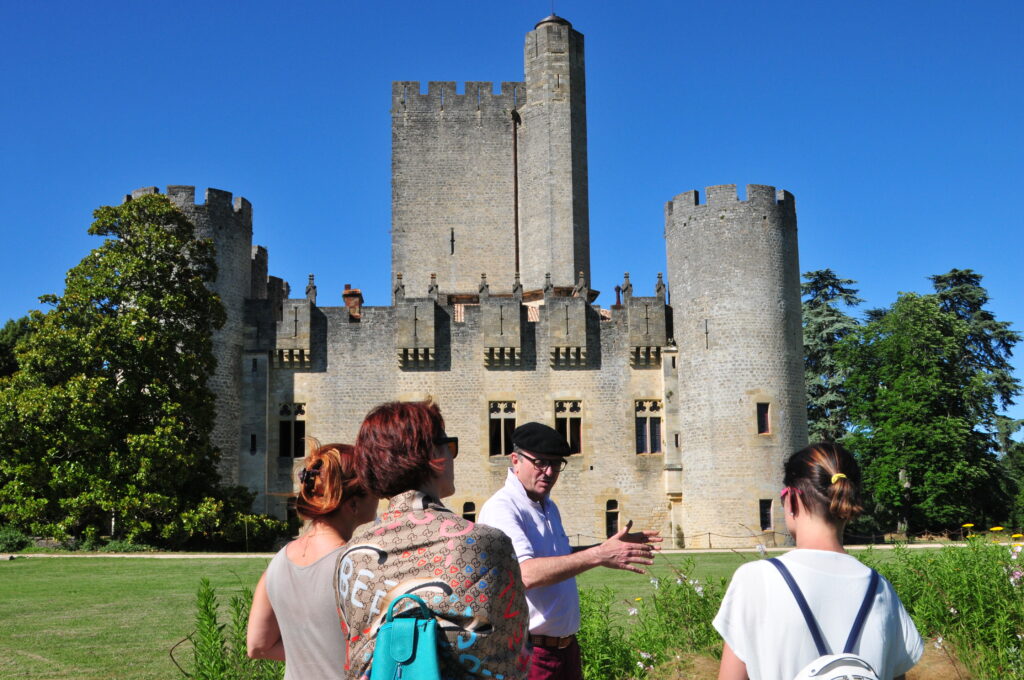
At Taste & Travel, our private Bordeaux itineraries are created by licensed professional guides and wine specialists with extensive experience in the region. We combine prestigious estates with carefully selected smaller properties and adapt each day to our guests’ interests, whether they are visiting Bordeaux for the first time or have been collecting its wines for decades.
Our Ideal First-Time Bordeaux Wine Itinerary
If we were designing a first Bordeaux trip for a wine lover with four days available, we would keep it simple.
Day 1: Bordeaux
Explore the UNESCO-listed historic center, discover the city’s relationship with the wine trade and enjoy Bordeaux’s restaurant scene.
Day 2: Saint-Émilion & Pomerol
Combine history and wine: Saint-Émilion’s medieval heritage, its underground monuments and two or three contrasting estates.
Day 3: Médoc
Discover Margaux, Saint-Julien and Pauillac along the Route des Châteaux, with visits to carefully selected classified estates.
Day 4: Pessac-Léognan & Sauternes
Finish with another side of Bordeaux: Cabernet and dry white wines in Pessac-Léognan followed by the unique sweet wines of Sauternes.
This gives you an excellent overview without trying to see everything at once.
Because that is perhaps the most important lesson about Bordeaux:
You don’t need to see everything on your first trip.
Most wine lovers leave wanting to return.
Planning Your First Bordeaux Wine Trip
Bordeaux can seem complicated before you arrive.
Once you understand its geography and allow enough time to explore, however, that complexity becomes part of its fascination.
Don’t try to collect famous château names.
Instead, experience the contrasts.
Taste Cabernet Sauvignon in Pauillac and Merlot in Saint-Émilion. Compare a prestigious classified growth with a tiny family estate. Walk through centuries-old cellars. Talk to the people making the wines. Have lunch in the countryside. Explore Bordeaux’s architecture. Stand among the vines and understand why a few meters of gravel or limestone can change the character of a wine.
That is when Bordeaux stops being a collection of famous labels and becomes a place.
And for a wine lover, that is the real reason to come.
Planning your first trip to Bordeaux?
Taste & Travel creates private Bordeaux wine tours and bespoke itineraries throughout Saint-Émilion, Pomerol, the Médoc, Pessac-Léognan, Graves and Sauternes.
Whether you have one day or an entire week, we can design a private itinerary around your favorite wines, estates, gastronomy and travel style.
Explore our Private Bordeaux Wine Tours →
Discover our Saint-Émilion Private Wine Tour →